The Problem
Most digital products for children ages 2–6 emphasize outcomes. Few invite curiosity or reflection without pressure to complete, win, or advance.
The Exploration
Touchaiku investigates how short, abstract interactions, guided by touch, sound, and gentle visual change, can offer a calmer way for children to engage.
There are no instructions, goals, or linear narratives. Instead, the experience encourages discovery through cause and effect, allowing imagination to unfold without needing to arrive anywhere.




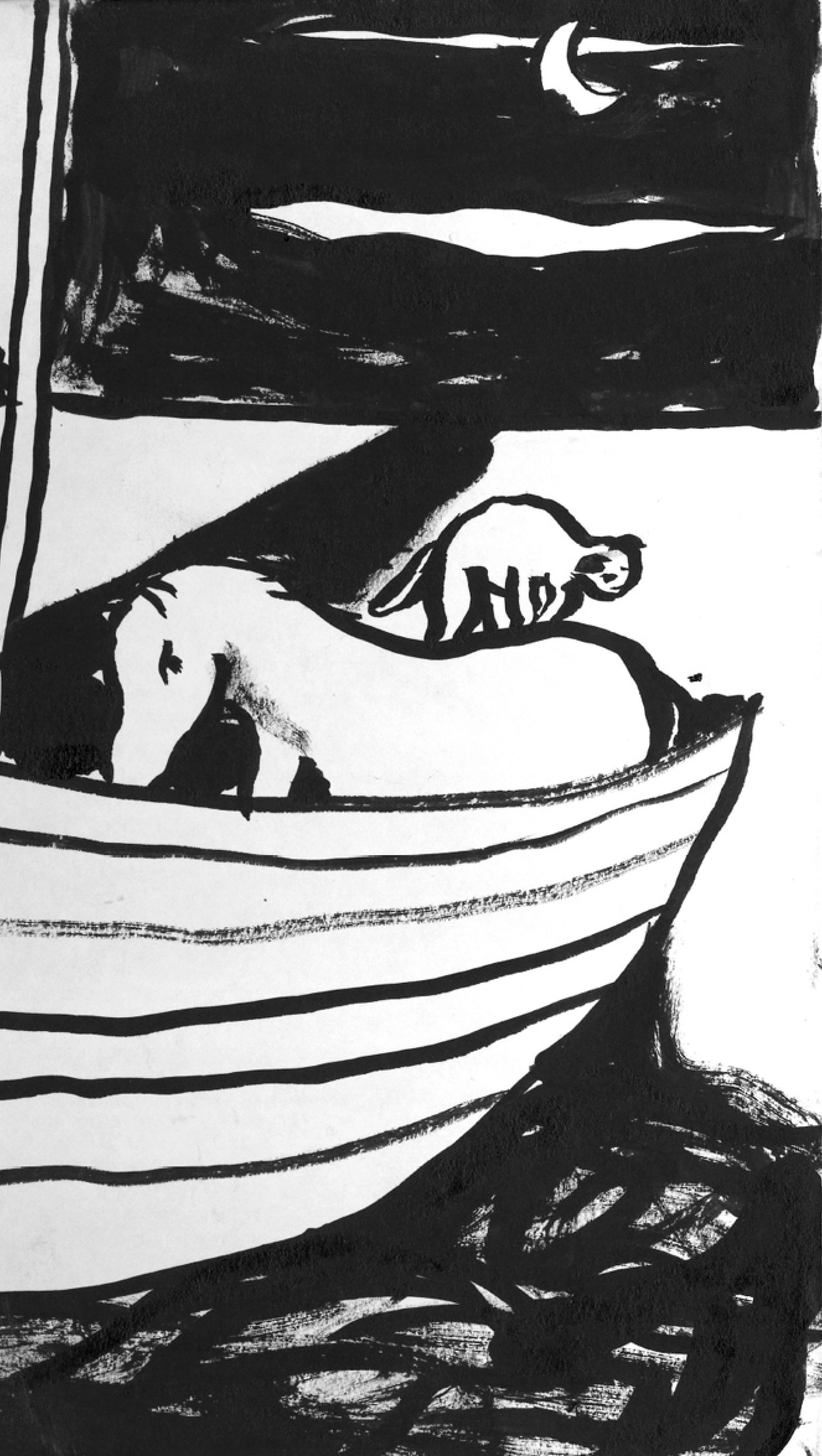
All is Quiet

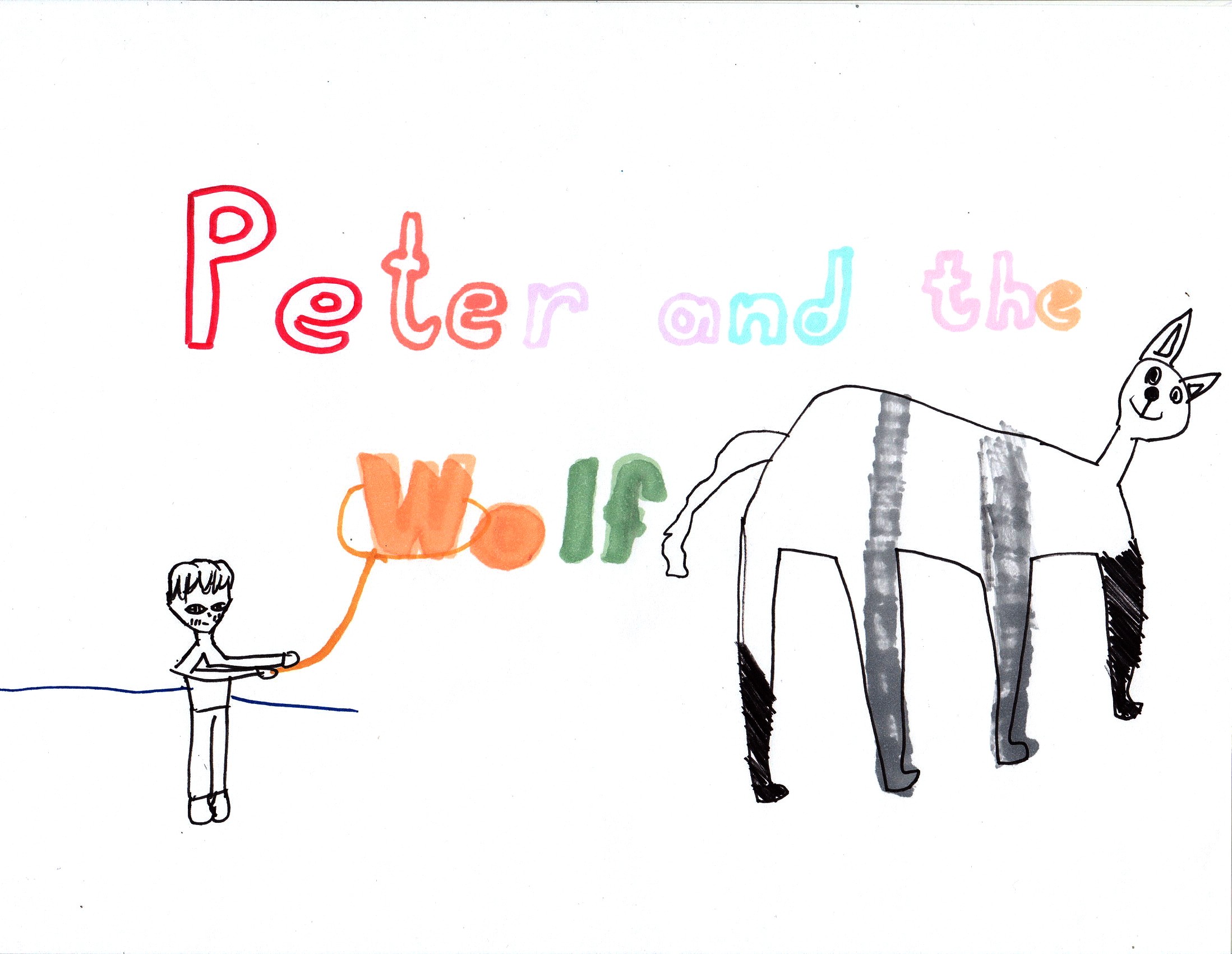
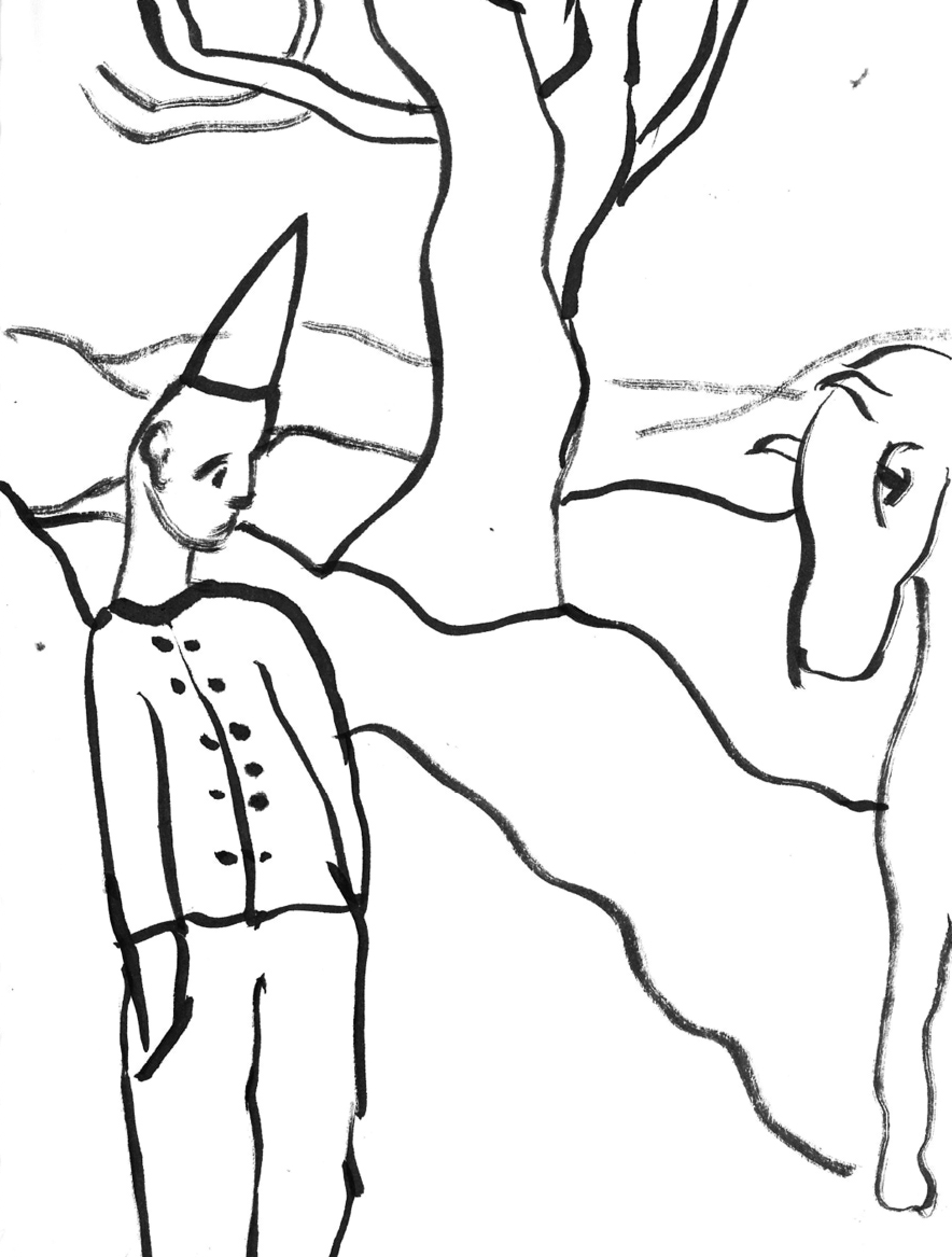
Peter &
the Wolf

Yahm’s Instruments
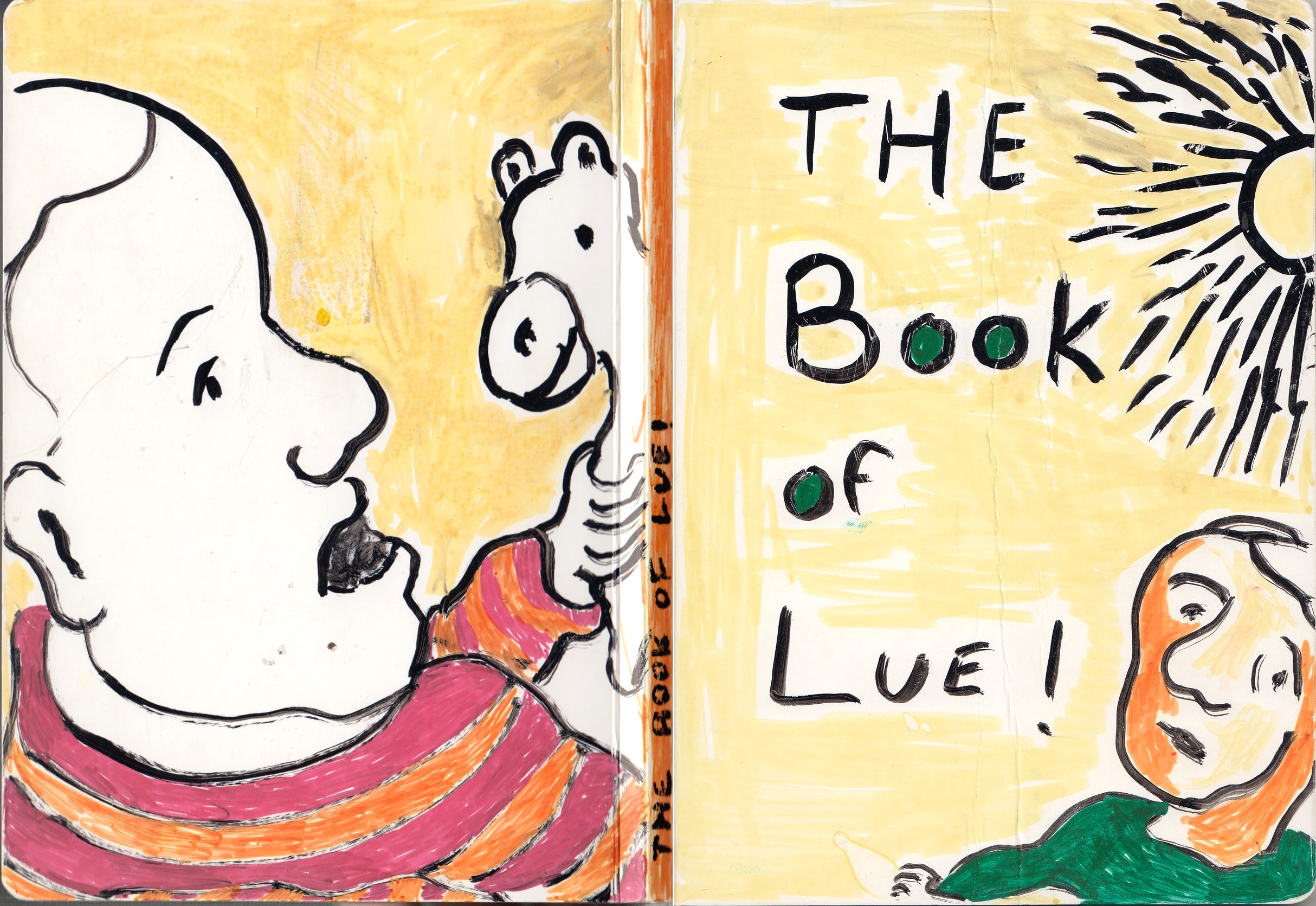
The Book
of Lue
Sound of
a Mountain
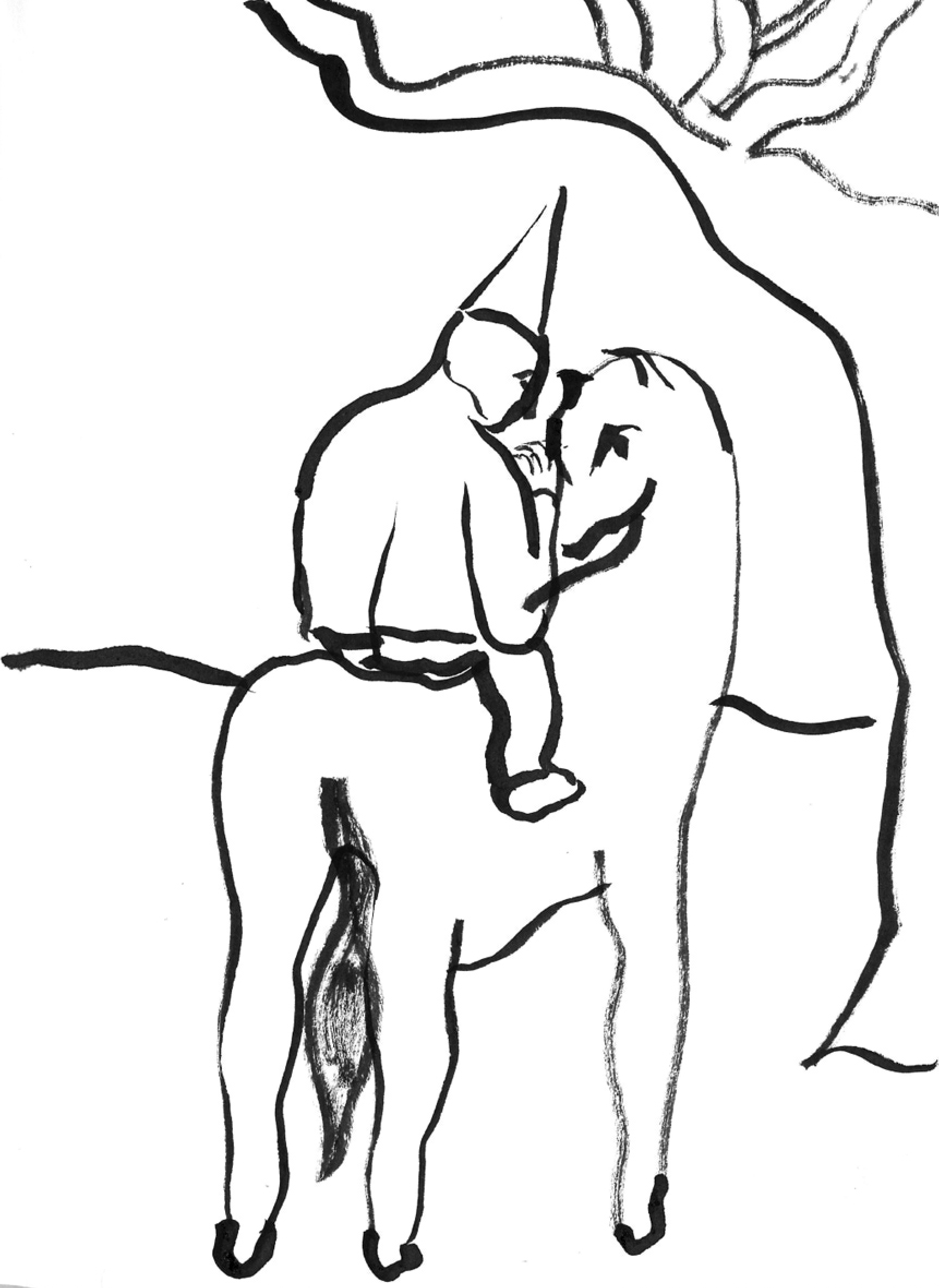
A Story
with No End


i
ToucHaiku
Interaction Studies
Touchaiku builds on a series of structured interaction, visual, and narrative experiments exploring sound, motion, and abstraction as primary interface elements.
These explorations informed the pacing, restraint, and modular structure of the experience.
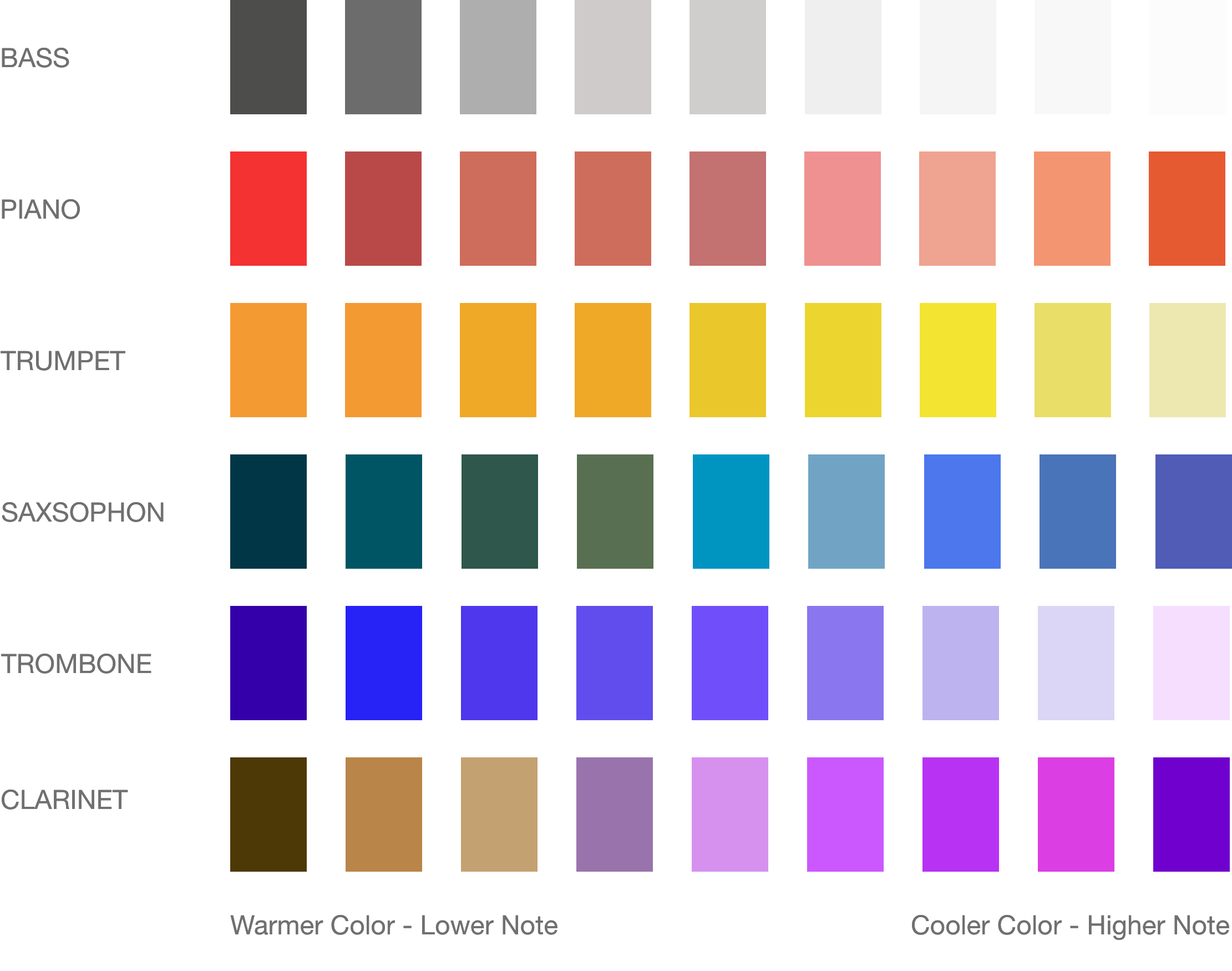
Module 1: Touch & ResponseAn interface for musical instruments
Simple tap gestures trigger visual and audio reactions, establishing trust through immediacy.


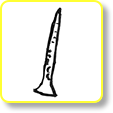

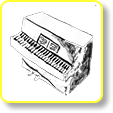

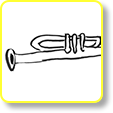


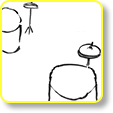





Yahm’s Instruments
Module 2: Rhythm & Pattern
Interactive Collage based on
Peter & the Wolf
Repeated interactions create motion patterns with sound, encouraging experimentation.
The story is told without words or progression, using shapes, colors, and sound to convey emotion rather than plot.
All is Quiet











Module 3: Visual Transformation
A Story With No End
Each tap flips a page containing a drawing or a simple line of text.
The experience feels less like reading and more like exploring a place, encouraging curiosity without a defined purpose.

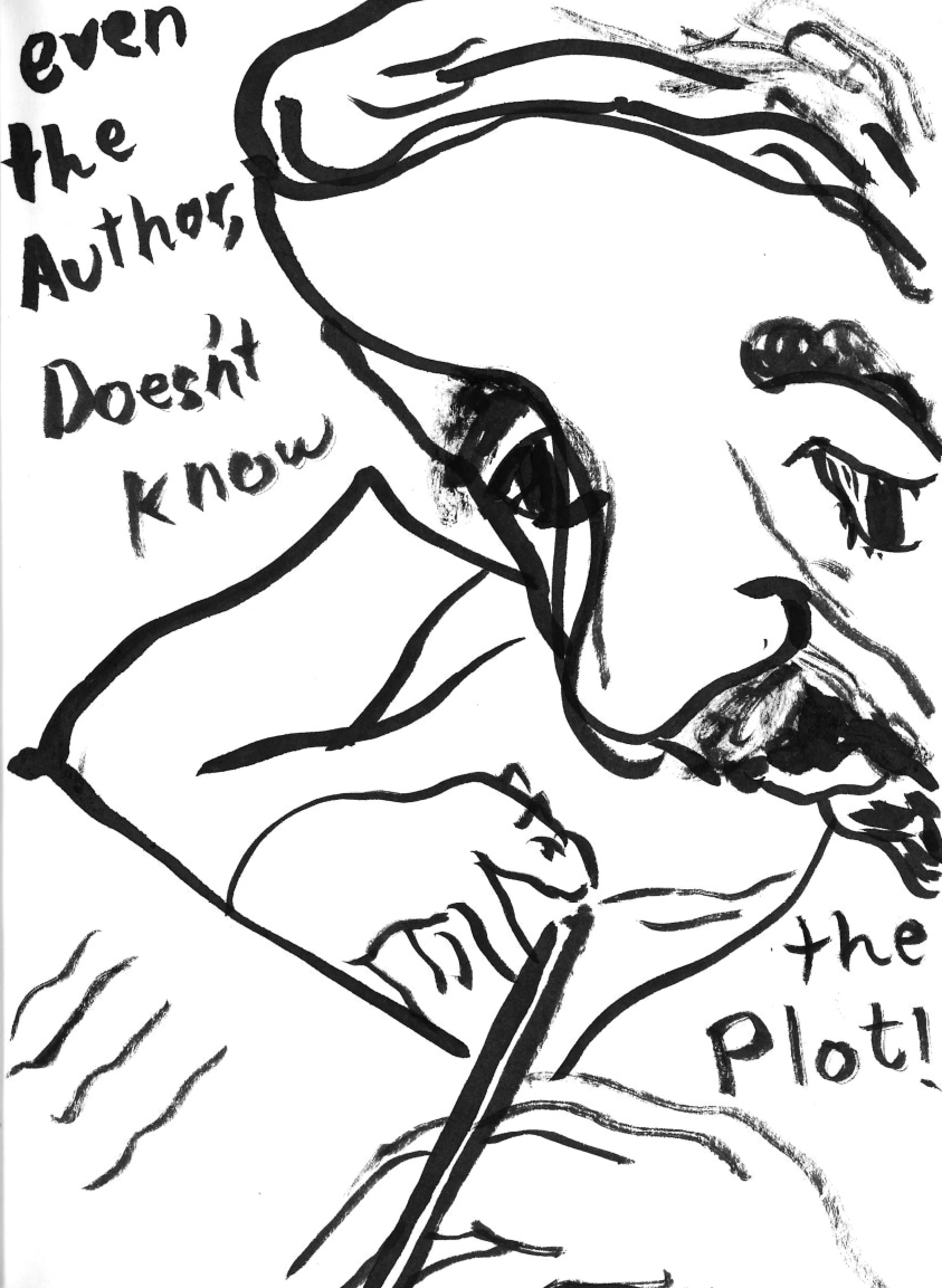
even the
author doesn’t
know the plot
Design Principles
- Discovery over direction
- Interaction over explanation
- Emotion over efficiency
- Play without performance





Why This Matters
(as UX)
Touchaiku reframes usability from task completion and toward emotional clarity and interaction confidence.
It explores how:
- Users can feel oriented without instructions
- Feedback can replace guidance
- Restraint can reduce cognitive load
These principles extend beyond children’s products and apply to any experience designed for focus, calm, or learning.
Design Learnings
- Open-ended interactions can foster engagement without goals or rewards
- Minimal interfaces demand greater attention to timing, sound, and feedback
- Slowness and silence can function as deliberate UX tools
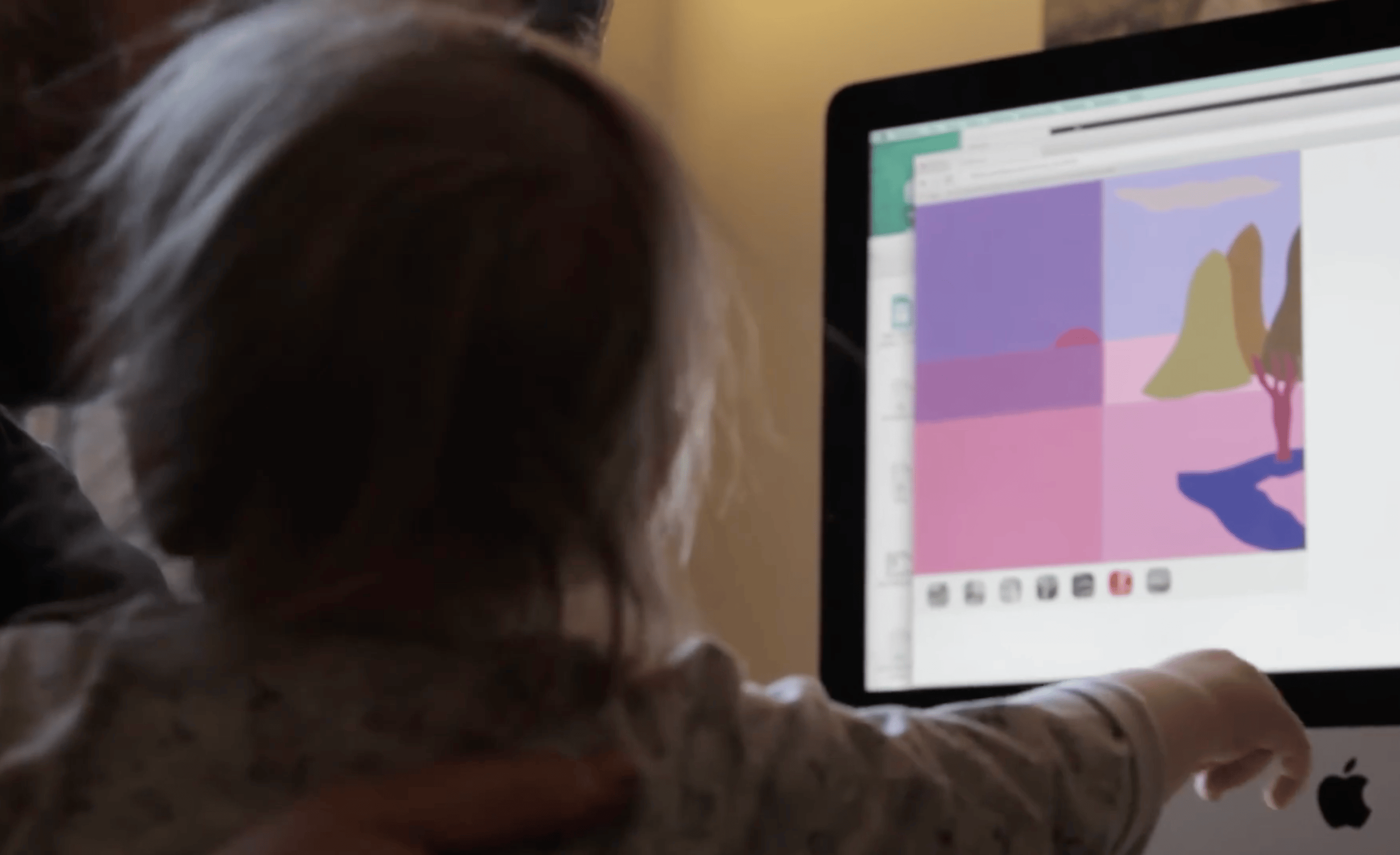
Observed interaction during shared play with Touchaiku
Reflection
Touchaiku explores non-directive interaction design, demonstrating how digital experiences can invite curiosity, imagination, and calm without performance pressure.